Skip to content
Dark glass office tower at dusk with its lit floors showing

Metro Guide

Sell Commercial Property in San Diego

Updated November 21, 2026

Start seller intake
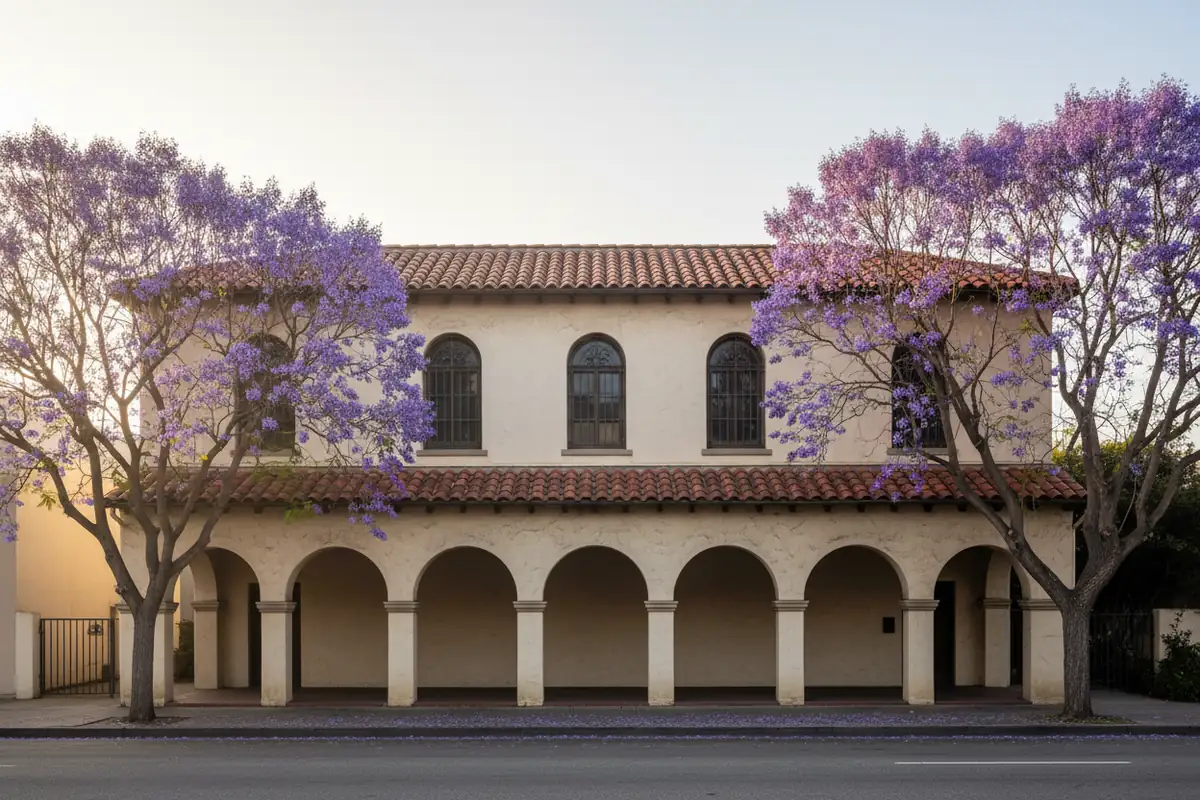
A tile-roofed Spanish revival commercial building as the San Diego marine layer lifts.
Immediate local answer

Selling a San Diego commercial building: where the deed is recorded, the $0.55 per $500 transfer tax, who files the ownership statement, and hazardous notice duties.

On this page
  1. Local Snapshot: Selling a Commercial Building in San Diego
  2. Common Situations When San Diego Owners Decide to Sell
  3. Local Offices and Records: Where San Diego County Filings Go
  4. Options for Owners Selling Commercial Property in San Diego
  5. Local Costs and Timing: What a San Diego Sale Owes in Taxes and Notices
  6. Frequently asked questions
  7. Sources

Selling a commercial building in San Diego runs through San Diego County offices: the Assessor/Recorder/County Clerk records the deed and collects the documentary transfer tax at recording, the buyer files a change in ownership statement, and an owner who knows of a hazardous substance release on the property gives the buyer written notice before the sale.

You own an office, retail, warehouse, industrial, mixed-use or owner-occupied building in San Diego, and you are getting ready to sell it, or at least to understand what selling would involve. You may be managing the building from another part of the state, or you may still run your own business from it. A buyer will read the building through its asset class, its leases, the income those leases produce and what the record shows about its condition. This page sets out the San Diego County offices that a commercial sale touches, the three California statutes that apply to every such sale, and the paths an owner can compare. For the statewide picture, see the overview of selling commercial property in California.

Local Snapshot: Selling a Commercial Building in San Diego

San Diego commercial property is sold under the same California statutes that govern a sale in any other county. What is local is the set of offices that handle the paperwork. The county's Assessor/Recorder/County Clerk records deeds and collects the documentary transfer tax. The San Diego County Treasurer-Tax Collector bills and collects property taxes. Inside the city limits, the City of San Diego's Development Services department runs Building & Land Use Enforcement. These are government offices, and a sale is filed with them. They do not take part in negotiating it.

The building's asset class tells a buyer what kind of property it is. Office, industrial or warehouse, retail, mixed-use, and owner-occupied buildings each draw buyers who look at different things:

  • Tenancy: who occupies the space, under what lease terms, and how long those leases run.
  • Income: what the leases bring in, and how dependable that income looks on paper.
  • Use and condition: what the building is approved for and how it is currently used. A buyer can compare both against city and county records.
  • Environmental history: what the owner knows about the ground beneath the property and the activities carried on there.

No single figure captures how these drivers combine. An appraiser sets a value for a particular property. A page like this one can only describe what goes into that value.

Location matters to a buyer as well, although the official pages for San Diego do not rank one part of the county against another. The county's recorder page does list where its offices are. It says documents can be recorded in person at its offices in downtown San Diego, Chula Vista and Santee, among others. It also says recording is not available at its Kearny Mesa office.

Common Situations When San Diego Owners Decide to Sell

A lease is ending, or the building is already vacant. A building with expiring leases or empty space gives a buyer less income to rely on. If tenants remain, the sale may depend on their cooperation with inspections and with document requests. One common example is a tenant estoppel certificate, a signed statement in which a tenant confirms its lease terms.

An owner-occupant is retiring or relocating. When the owner's own business occupies the building, the sale raises a choice. The owner can move out, or the owner can stay on as a tenant under a new lease after the sale, an arrangement called a sale-leaseback. Either way, the owner's own use of the building becomes the building's history, including any record of hazardous materials handled on site.

The building is co-owned, or it is part of an estate. Before anyone can sign, the question of who holds title has to be answered. Title may be held by individuals, a partnership, an LLC, a corporation or a trust. If the owner has died, the authority to sell depends on how title was held and on whether a probate case has been opened. If co-owners or heirs disagree about the sale, that is a contested matter for an attorney and is a separate subject from this page.

The owner is repositioning or redeveloping. Plans to change the building's use bring its approvals and its code history to the front of the sale. Existing financing on the property also has to be paid off or otherwise addressed at closing.

Each of these situations changes which documents a buyer will ask for first. None of them changes the statutes described below.

Local Offices and Records: Where San Diego County Filings Go

Assessor/Recorder/County Clerk. The San Diego County Assessor/Recorder/County Clerk's Recording page explains which documents the office accepts. It says the County Recorder will take a document that California law says must be recorded, as long as three conditions are met:

  • the fees and taxes are paid,
  • the document has all the needed information, and
  • the document can be photographically reproduced.

The same page says the property must be located in San Diego County. It also says the Recorder collects the documentary transfer tax at the time each deed or instrument is recorded. For a seller, this means the recorder's office is where the sale becomes part of the public record.

The Recording page includes some limits worth knowing:

  • State law prevents the Recorder from helping or advising in the preparation of legal documents.
  • Its offices do not offer notary services.
  • Assessor Parcel Number searches are no longer available in its online Official Record Search. They remain available at in-person kiosks.

The page also says recently recorded documents may take approximately one to two days to appear in its Official Records Index. An owner who wants to look up the current vesting deed can search that index by the name of the grantor (the party who transferred title) or the grantee (the party who received it).

Treasurer-Tax Collector. The Treasurer-Tax Collector's Secured Property Taxes page says all owners of business, industrial, agricultural and residential properties must pay property taxes unless exempted by state law. It says secured property taxes are due in two installments:

  • The first installment is due November 1 and is penalized if not paid by December 10.
  • The second installment is due February 1 and is penalized if not paid by April 10.

The page also says that taxes not paid by June 30 go into default. It explains that a "tax defaulted" notation on a bill can mean unpaid taxes from prior years. A seller's current tax bill and its status are part of what gets settled at closing.

City of San Diego Building & Land Use Enforcement. The City's Building & Land Use Enforcement page says its staff inspect "the development, use and condition of a property for compliance with applicable codes and regulations." It says that when a violation is found, the remedy may include a citation or a notice. After the deadline in the notice passes, the owner or responsible person may be subject to further action:

  • abatement, with the City recovering its costs,
  • civil penalties of up to a daily maximum of $10,000 and up to a total maximum of $500,000, and
  • civil or criminal cases filed by the City Attorney.

An open enforcement case is one of the facts a buyer will want to know about.

Options for Owners Selling Commercial Property in San Diego

Listing with a commercial real estate agent. An agent markets the building to a wide pool of buyers, presents the leases and the income, and manages negotiation and due diligence. The tradeoffs are a commission, the time the property spends on the market, and showings that may disrupt tenants.

Selling without an agent. An owner who already knows a likely buyer, such as a tenant, a neighboring owner or a business partner, can negotiate directly. The owner then handles the pricing, the paperwork and the buyer's due diligence requests without an agent's help.

Selling directly to a buyer who pays cash and takes the building as it is. A direct offer is often lower than what the same building might bring on the open market. The difference reflects what this buyer takes on: deferred repairs, vacancy or lease risk, and the cost of reselling or repositioning the building later. In exchange, the seller usually prepares less, hosts fewer showings, and does not depend on the buyer getting a loan.

Repairing, re-leasing or correcting first, then selling. Filling vacant space or resolving a code matter before listing can change how buyers read the building. The tradeoff is the cost and the time this takes before any sale proceeds arrive.

The legal duties are the same on every one of these paths. The transfer tax, the change in ownership statement and the hazardous substance notice described below apply whoever the buyer is and however the sale is structured. "As-is" describes the condition the buyer accepts. It does not reduce what the seller owes.

An owner can tell which path fits by comparing written offers and the estimated net proceeds of each. Net proceeds are the price less commissions, repairs, carrying costs, loan payoffs and closing costs. Which path that comparison points to depends on the facts of the building and the law that applies to them. To talk through the paths, a reader can request a commercial property sale options consultation through the Silver Lining Commercial Properties form.

Local Costs and Timing: What a San Diego Sale Owes in Taxes and Notices

The documentary transfer tax. Under Rev. & Tax. Code section 11911, a county's board of supervisors may impose a tax by ordinance on each deed or other writing that conveys realty sold within the county. The tax applies when the consideration or value of the interest conveyed exceeds $100, not counting the value of any lien or encumbrance remaining on the property at the time of sale. It is charged at a rate of $0.55 for each $500, or fractional part of $500.

A city inside that county can add its own tax at half the county rate, and the county tax is then reduced by a credit for the amount of any conforming city tax due. The county Recorder's page states the same $0.55 per $500 rate and says the Recorder collects the tax for the county and for cities. In practice, the tax is paid when the deed is recorded, and it is measured on value after excluding any loan the buyer takes over.

The change in ownership statement. Rev. & Tax. Code section 480 requires the transferee, meaning the buyer, to file a signed change in ownership statement in the county where the property is located. When the deed is recorded, the statement is filed with the Recorder at the time of recording. If the deed is not recorded, or is recorded without the statement, the statement is filed with the assessor no later than 90 days from the date the change in ownership occurs. When the change in ownership is by reason of death, the statement is filed no later than 150 days after the date of death, or, if the estate is probated, at the time the inventory and appraisal is filed.

The form that travels with the deed at recording is commonly called a Preliminary Change of Ownership Report, or PCOR. The county Recorder's page points readers to a tab labeled "DTT | PCOR | SB2" for more information on the transfer tax and this report, which is where a buyer or closing agent in San Diego County can find the county's own guidance on what to submit with the deed.

Recording of the deed is not denied or delayed because the statement is missing. Even so, the statutory notice printed on the form describes a penalty for failing to file in the 90 days after the assessor mails a written request. If the failure was not willful, the penalty is the greater of $100 or 10 percent of the taxes on the new base year value, capped at $20,000 for a property not eligible for the homeowners' exemption. For a buyer that is a corporation, an LLC or a partnership, section 480 specifies who may sign the statement. The Treasurer-Tax Collector's page also says property is reassessed whenever it changes owners. This statement is how the assessor learns that a change has happened.

The hazardous substance notice. Under Health and Safety Code section 78700, an owner of nonresidential real property who knows, or has reasonable cause to believe, that a release of a hazardous substance has come to be located on or beneath the property must give the buyer written notice of that condition before the sale. An owner who fails to give the notice is subject to actual damages and any other remedies provided by law. An owner with actual knowledge of a release of a material amount who knowingly and willfully fails to give notice is liable for a civil penalty not to exceed $5,000 for each separate violation. For a San Diego seller of a warehouse or industrial building with a long operating history, what the owner knows, or has reason to believe, about the site is part of the sale paperwork.

Income tax and withholding. Income tax on a commercial sale, including the tax treatment of any exchange, depends on the owner's own facts. So does the question of whether any income tax withholding applies at closing, which can come up for a seller who lives outside California or outside the United States. These questions sit outside this page, and a CPA, an enrolled agent or a tax attorney reviews them. Useful places to start are the current vesting deed in the county's Official Records Index, the latest secured tax bill, and any environmental reports already in the owner's files.


How it works

A structured process, not a sales pitch

Describe your commercial property — asset type, size, occupancy, location and timeline — to clarify your selling path.

The seller intake

  1. Describe the asset

    Type, size, occupancy, location and timeline — six short steps.

  2. Clarify the path

    Listed, off-market, direct cash or sale-leaseback, based on fit.

  3. Connect by consent

    Information is shared only if you expressly agree.

Start Seller Intake

Seller intake

Six questions to clarify your selling path.

Asset, size, occupancy, location and timeline. Nothing is shared without your express consent.

Begin intake

Contact

Discuss your property

Contact details and consent

See the Privacy Policy and Terms.

Testimonials

Selling the warehouse without months of marketing was appealing to our ownership group.

J.R., Miami, FL

Frequently asked questions

What is the documentary transfer tax on a commercial property sale in San Diego County?

It is the tax Rev. & Tax. Code section 11911 authorizes on a deed conveying realty, at the rate described above. The Recorder's page says that if no tax is due, the filer indicates "0" on the tax line and includes a statement.

Who files the change in ownership statement when a commercial property is sold?

The buyer files it. When the buyer is an entity, section 480 sets out who may sign. For a corporation, that is an officer or an employee or agent designated in writing by the board of directors. For an LLC or partnership, it is an officer, partner, manager, or a person designated in writing by the entity.

Does a seller of commercial property in San Diego have to disclose a hazardous substance release?

Yes, when the owner knows or has reasonable cause to believe a release is located on or beneath the property. Section 78700 applies to a lease or rental of the property as well as a sale, so the same written notice duty applies when a seller leases the building back after the sale.

What types of commercial property are commonly sold in San Diego County?

Office, industrial and warehouse, retail, mixed-use and owner-occupied buildings. What a buyer examines first differs by type and by tenancy. For a leased building, buyers look first at leases and income. For an owner-occupied building, they look at its use history and its condition.

Does selling commercial property directly to a cash buyer change the seller's disclosure duties in California?

No. The written hazardous substance notice and the transfer tax due at recording are owed the same way whether the buyer pays cash or finances the purchase. The way a sale is structured changes the price and the preparation involved. It does not change the seller's legal duties.

Which San Diego County office records the deed when a commercial property is sold?

The San Diego County Assessor/Recorder/County Clerk records it. Its Recording page says all applicable fees must be paid at the time of recording and links a fee schedule. It also says card payments carry an additional $2.50 surcharge.

What does a change in ownership mean for property taxes on a commercial building in San Diego?

The Treasurer-Tax Collector's page says property is reassessed whenever it changes owners. It also says Proposition 13 limits the tax rate to 1% of current assessed value plus voter-approved bonds and assessments. Questions about a specific reassessment go to the county assessor's office.

Sources

Statutes, regulations and court sources

  1. 01Rev. & Tax. Code section 11911 · California Legislative Information
  2. 02Rev. & Tax. Code section 480 · California Legislative Information
  3. 03Health and Safety Code section 78700 · California Legislative Information

Other sources

  1. 04San Diego County Assessor/Recorder/County Clerk, "Recording" · sdarcc.gov
  2. 05San Diego County Treasurer-Tax Collector, "Secured Property Taxes" · sdttc.com
  3. 06City of San Diego, Development Services, "Building & Land Use Enforcement" · sandiego.gov