Sell Now While Vacant, or Lease Up First?
Each path trades one set of costs for another, and none of them is the answer for every building.
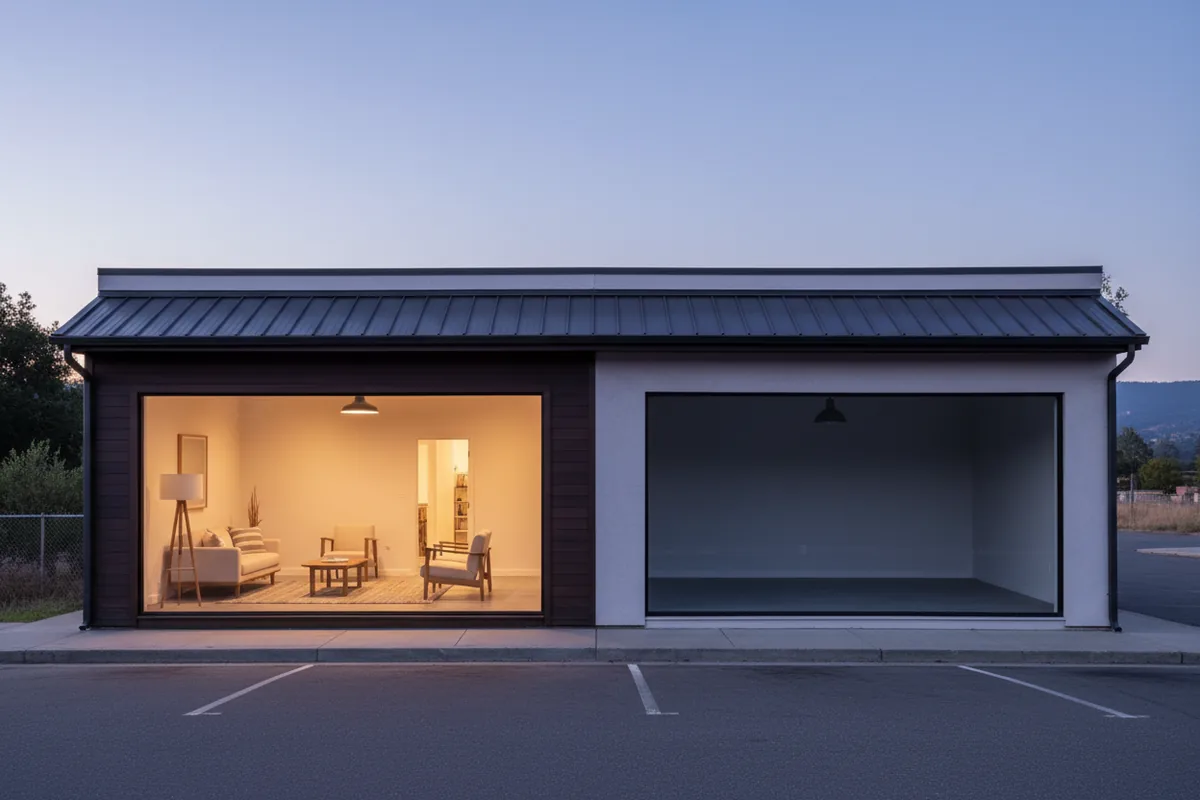
Selling vacant is the simplest in paperwork. With no tenants, there is no tenant coordination, no deposit transfer and no estoppel to collect. The trade-off is valuation: the income approach has little current income to work with, so the figure is lower or less certain, and the buyer pool leans toward owner-users and investors who plan to add value themselves.
Leasing up before selling works the other way. New leases add income evidence a buyer can underwrite, but leasing up takes time, leasing costs and carrying costs, and the owner takes on landlord duties along the way, including the deposit rules and the CASp lease statement described earlier.
Selling with existing or partial occupancy sits between the two. The leases stay with the building, so the sale depends on what the owner can produce: signed leases for terms over one year, tenant statements of lease and a record of each deposit.
A fourth option, available for buildings in any of these conditions, is selling directly to a buyer who pays cash and takes the building as it stands. A direct offer often comes in below an open-market price, because the buyer absorbs the repairs, the vacancy risk and the cost of reselling or re-leasing. In exchange, the seller does less preparation, has fewer showings and depends less on whether a buyer's loan comes through. The disclosures, deposit steps and lease paperwork are the same whoever the buyer is.
Owners often compare these paths by putting written offers side by side with estimated net proceeds, meaning the price less commissions, repairs, carrying costs, loan payoffs and closing costs. That comparison tends to show which path fits the building and the owner's timing.