Skip to content
Dark glass office tower at dusk with its lit floors showing

Unreinforced Masonry Buildings

Selling an Unreinforced Masonry Building in California

Updated November 21, 2026

Start seller intake
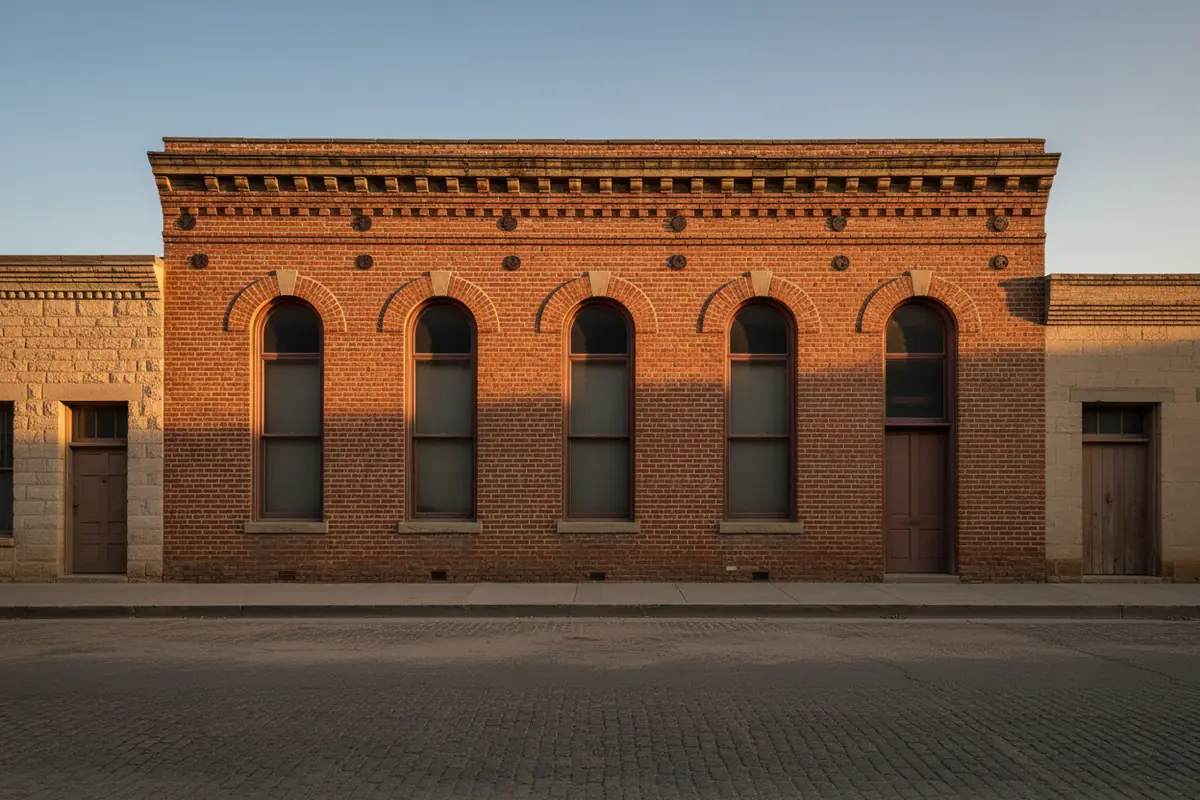
An old brick building with round steel wall anchors along its upper floor.
Immediate answer

California URM rules for a commercial sale: which buildings count, the earthquake guide a seller delivers, the zone 4 warning sign, and the lease statement.

On this page
  1. What Makes a Building an Unreinforced Masonry Building Under California Law
  2. Local Mitigation Programs and the Owner's Responsibility
  3. Who It Affects: Buildings Built Before 1975 and the Disclosure Trigger
  4. The Warning Sign and the Lease Statement
  5. How the URM Rules Fit With an As-Is Sale
  6. Options and Trade-offs: How Retrofit Status Affects a Sale
  7. Mistakes to Avoid When Selling a URM Building
  8. Next Steps for a Seller
  9. Frequently asked questions
  10. Sources

An unreinforced masonry building can be sold in California in its present condition. The state's guide says an owner is not required to retrofit before selling. The sale still carries duties. The seller delivers a state earthquake safety guide to the buyer. In seismic zone 4, sign and lease wording rules apply. Any local retrofit program remains the owner's responsibility.

An owner may be getting ready to sell an older brick, block or stone building, perhaps a storefront, a small office building or a mixed-use corner property with tenants upstairs. A question about unreinforced masonry often comes up late in the process, from a buyer's inspector, a lender's checklist or a letter from the city. This guide explains what California law counts as an unreinforced masonry building, or URM. It also covers what a seller gives the buyer, what the sign and the leases have to say, and how retrofit status shapes the way a buyer reads the building, its tenants and its income.

What Makes a Building an Unreinforced Masonry Building Under California Law

Government Code section 8875 uses the term "potentially hazardous building." The statute defines it as "any building constructed prior to the adoption of local building codes requiring earthquake resistant design of buildings and constructed of unreinforced masonry wall construction." The list of examples in the statute includes schools, theaters, places of public assembly, hotels, motels, plants and retail outlets.

The same section names what it leaves out. A potentially hazardous building "does not include warehouses or similar structures not used for human habitation, except for warehouses or structures housing emergency services equipment or supplies." It also excludes any building with five living units or less. For one specific purpose under the chapter, it also leaves out a building that qualifies as historical property, as determined by an appropriate governmental agency.

The warehouse exclusion turns on use. A building that started as a warehouse and was later converted to office or retail use may no longer fit it.

For a seller, the classification starts from two facts: the wall construction, and when the building went up compared with the local seismic code. Both facts can usually be found in the records, and a buyer's due diligence team will usually look for them early.

Local Mitigation Programs and the Owner's Responsibility

Government Code section 8875.2 makes the city or county building department the starting point. It requires local building departments to identify potentially hazardous buildings, including their current use and daily occupancy load. It also requires them to set up a mitigation program, which is a local plan for reducing the risk these buildings pose.

Each program has to include notice to the legal owner. That notice says the building belongs to a general type of structure that has historically shown little resistance to earthquake motion. The statute lists other things a program may include, among them:

  • a hazardous buildings ordinance
  • measures to strengthen buildings
  • measures to change the use to acceptable occupancy levels, or to demolish the building
  • tax incentives and low-cost loans for seismic rehabilitation

The statute is direct about who carries the obligation. "Compliance with an adopted hazardous buildings ordinance or mitigation program shall be the responsibility of building owners." It also says the chapter does not make the state or any local government responsible for paying to strengthen a privately owned structure.

Requirements differ from place to place. A building in Los Angeles, San Francisco, Oakland, Berkeley or Pasadena answers to that city's own building department and ordinance. The City of San Diego's Unreinforced Masonry Buildings page says San Diego identified 884 pre-1939 buildings as URM in 2001. It says owners have complied with the URM Ordinance except for a small number of buildings that are being inspected or are with the City Attorney's Nuisance Abatement Unit. That data is dated March 5, 2020. For an owner who has not retrofitted, the local program is a separate obligation that stays attached to the building whether or not it is sold.

Who It Affects: Buildings Built Before 1975 and the Disclosure Trigger

Government Code section 8875.6 sets the duty a seller owes at the sale itself. The section applies to "the transferor, or his or her agent." A transferor is the owner conveying the property. The building it covers is "any unreinforced masonry building with wood frame floors or roofs, built before January 1, 1975." For that building, the transferor delivers a copy of the Commercial Property Owner's Guide to Earthquake Safety to the purchaser "as soon as practicable before the sale, transfer, or exchange."

Three points follow from that wording:

  • The duty is tied to the building's construction type and date, not to whether the building has been retrofitted.
  • The duty does not depend on whether the buyer asks for the guide.
  • The duty can be carried out by the seller's agent.

Excepted transfers. The statute says the duty does not apply to certain transfers described elsewhere in the Government Code. Section 8875.6 does not list those transfers itself; it points to a separate provision, and this article does not summarize that provision's categories. In plain terms, the exception depends on the kind of transfer rather than on the building. A seller who thinks a planned transfer may be of a different kind than an ordinary sale has a reason to read that separate provision, or to raise it with an attorney, before treating the guide delivery as unnecessary.

The California Seismic Safety Commission publishes the Commercial Property Owner's Guide to Earthquake Safety, 2022 Edition. It says the 2022 edition replaced the 2006 edition effective September 1, 2022. The guide also says state law requires a seller of such a building to properly strap the water heaters. It suggests a seller complete its Commercial Property Earthquake Risk Disclosure Report and keep copies of documents the buyer signs.

In practice, guide delivery is part of preparing the sale, not a step left for the closing table. A signed record of delivery is useful if questions come up later.

The Warning Sign and the Lease Statement

Government Code section 8875.8 covers the building's entrance and its leases. It applies in seismic zone 4. The Seismic Safety Commission's guide describes seismic zone 4 as the area where a damaging earthquake is most likely to happen.

The sign. An owner with actual or constructive notice that a seismic zone 4 building is unreinforced masonry posts a sign at the entrance. Actual notice generally means the owner has been told directly, as through the local program's notice to the legal owner. Constructive notice generally means the law treats the owner as knowing, whether or not the owner personally learned it. Either kind of notice triggers the duty. The sign must be at least 5″ × 7″ and read: "This is an unreinforced masonry building. Unreinforced masonry buildings may be unsafe in the event of a major earthquake."

Different rules apply to a building that has not been retrofitted under an adopted ordinance or program and whose owner was not in compliance on and after December 31, 2004. That sign must be at least 8″ × 10″, with "Earthquake Warning" in 50-point bold type. It reads: "Earthquake Warning. This is an unreinforced masonry building. You may not be safe inside or near unreinforced masonry buildings during an earthquake."

Fines and enforcement. The local building department may levy a $250 administrative fine no sooner than 15 days after notifying the owner. If the owner has not complied 30 days after that first fine, an additional $1,000 fine may follow. The statute also allows a private suit for injunctive relief once its listed conditions are met, including notice to the owner.

The lease statement. Every rental or lease agreement entered into after January 1, 2005, for a building subject to the 8″ × 10″ sign rule must state: "This building, which you are renting or leasing, is an unreinforced masonry building. Unreinforced masonry buildings have proven to be unsafe in the event of an earthquake." The statement then describes the owner's posting duty and repeats the sign's wording.

A buyer reviewing the leases will read them for this statement. A missing statement becomes a question about the leases the buyer is taking over.

How the URM Rules Fit With an As-Is Sale

Commercial sales in California are often written on an as-is basis, meaning the buyer takes the building in its present condition. The URM rules fit with that structure: the Commission's guide says an owner is not required to retrofit before selling. An as-is sale does not, however, remove the duties this article describes. The guide delivery under section 8875.6 follows construction type and date, and the sign and lease rules under section 8875.8 follow the building's location, notice and retrofit status. A sale contract can shift the retrofit work to a buyer, but the statutes still set what the seller delivers and what the sign and leases say.

Options and Trade-offs: How Retrofit Status Affects a Sale

Buyers and lenders read retrofit status as part of the property's risk. A completed retrofit with permits and local sign-off gives a buyer documents to rely on. A building that has not been retrofitted brings an open local obligation, a possible stricter sign, and lease statements into due diligence. The Commission's guide also says the strengthening work can be done without a property tax reassessment if the local building department approves the work and the owner files a claim with the county assessor.

How lenders read it. Lenders review retrofit records, local program status and lease compliance as part of the risk they are lending against. An open local obligation can narrow the loan options available to a buyer, which in turn can narrow the pool of buyers who can close with a loan.

The paths an owner may consider each trade something:

  • Retrofit, then sell. The owner carries the cost, the time and the disruption to tenants in exchange for cleaner records for buyers and lenders.
  • Sell as it is through a real estate agent. This reaches buyers in the open market. The retrofit question moves into negotiation, and the buyer's loan approval may depend on how the lender views the open obligation.
  • Sell directly to a buyer who pays cash and takes the building as it is. The price is often below an open-market sale. That buyer absorbs the retrofit work, the risk and the cost of reselling. The seller gets less preparation, fewer showings and less reliance on a buyer's loan.

No path changes the seller's duties under sections 8875.6 and 8875.8.

Comparing offers by net proceeds. Net proceeds are the price less commissions, retrofit or repair costs, carrying costs, loan payoffs and closing costs. Laying written offers side by side on those lines shows how each path works out for a given building:

  • A retrofit-first sale adds retrofit cost and carrying costs during the work, set against the price a retrofitted building may draw.
  • An open-market as-is sale includes commissions, and the price may reflect the buyer's estimate of retrofit cost and financing limits.
  • A direct as-is sale to a cash buyer may carry a lower price, with fewer preparation and carrying costs and less exposure to a buyer's loan falling through.

Mistakes to Avoid When Selling a URM Building

A seller facing a closing date may be tempted to treat the earthquake rules as paperwork for later. Problems usually come from that delay.

  • Skipping the guide. Delivery is required whether or not the buyer asks.
  • Overlooking lease wording. Leases entered into after the 2005 date can be checked for the required statement before a buyer finds the gap.
  • Assuming the warehouse exclusion applies. A converted building may no longer fit it.
  • Treating a retrofit as erasing every duty. A retrofit bears on which sign applies, but guide delivery still follows construction type and date.

The answer for any one building depends on its facts, its local program status and the law that applies. A building official can speak to local status, and an attorney to the sale contract, the leases and any excepted transfer.

Next Steps for a Seller

A seller's next step is usually gathering the records:

  • the original construction records
  • any listing on the city's or county's URM inventory
  • any URM notice received from the local building department
  • any retrofit permit or compliance record
  • current leases, to check for the required statement

Owners in San Diego, Los Angeles, San Francisco, Oakland, Berkeley or Pasadena can check that city's building department records. Questions for a building official or attorney include whether the building fits the warehouse exclusion in Government Code section 8875, what the local mitigation program requires of it, and whether the planned transfer is one the guide-delivery rule excepts.

How it works

A structured process, not a sales pitch

Describe your commercial property — asset type, size, occupancy, location and timeline — to clarify your selling path.

The seller intake

  1. Describe the asset

    Type, size, occupancy, location and timeline — six short steps.

  2. Clarify the path

    Listed, off-market, direct cash or sale-leaseback, based on fit.

  3. Connect by consent

    Information is shared only if you expressly agree.

Start Seller Intake

Seller intake

Six questions to clarify your selling path.

Asset, size, occupancy, location and timeline. Nothing is shared without your express consent.

Begin intake

Contact

Discuss your property

Contact details and consent

See the Privacy Policy and Terms.

Testimonials

Selling the warehouse without months of marketing was appealing to our ownership group.

J.R., Miami, FL

Frequently asked questions

What is an unreinforced masonry building under California law?

Government Code section 8875 treats a building as potentially hazardous if it has unreinforced masonry walls and was built before local codes required earthquake-resistant design. The label covers a wide range of uses, from retail outlets to hotels. Warehouses not used for human habitation are excluded, unless they house emergency services equipment or supplies.

Does a seller of a URM building have to give the buyer a disclosure?

Yes, for an unreinforced masonry building with wood frame floors or roofs built before January 1, 1975. The seller delivers the state's earthquake safety guide to the buyer as soon as practicable before the transfer. Certain transfers are excepted. The Commission also suggests completing its disclosure report.

What is the earthquake warning sign requirement for a URM building?

The requirement applies in seismic zone 4 once an owner has notice that the building is URM. The sign size and wording depend on retrofit status, as described above. An owner who does not post the required sign can face administrative fines from the local building department, and in some cases a private lawsuit.

Does a completed retrofit remove the disclosure requirement?

Not the guide delivery. Section 8875.6 turns on construction type and date. A retrofit under an adopted program affects which sign applies and whether the lease statement is required. How a specific building's history plays out depends on local records, which a building official or attorney can review.

Which California cities have unreinforced masonry retrofit programs?

Every local building department was directed to identify these buildings and set a mitigation program. The City of San Diego publishes its URM Ordinance history online. Building departments in Los Angeles, San Francisco, Oakland, Berkeley and Pasadena hold the current status for buildings in those cities.

Does the warehouse exclusion apply to my building?

It depends on how the building is used. The exclusion covers warehouses or similar structures not used for human habitation. It does not cover those housing emergency services equipment or supplies. A building partly converted to offices or showrooms raises a factual question for a building official or attorney.

How does URM status affect financing for a buyer?

Lenders review retrofit records, local program status and lease compliance as part of the risk they are lending against. An open obligation can narrow the loan options available to a buyer. Whatever financing the buyer uses, the seller's guide, sign and lease duties stay the same.

Sources

Statutes, regulations and court sources

  1. 01California Government Code section 8875 · California Legislative Information
  2. 02California Government Code section 8875.2 · California Legislative Information
  3. 03California Government Code section 8875.6 · California Legislative Information
  4. 04California Government Code section 8875.8 · California Legislative Information

Other sources

  1. 05California Seismic Safety Commission, Commercial Property Owner's Guide to Earthquake Safety, 2022 Edition · ssc.ca.gov
  2. 06City of San Diego Development Services, Unreinforced Masonry Buildings · sandiego.gov